Table Of Content
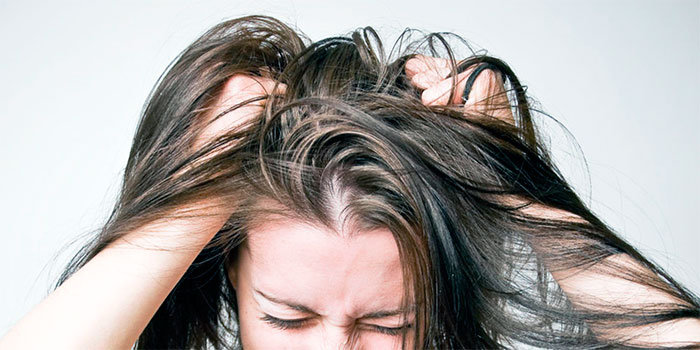
Furthermore, their preference for hiding in dark, undisturbed areas contradicts the idea of them dwelling in the regularly disturbed landscape of human hair. Bed bugs primarily feed on humans when they are stationary, such as when lying on a bed or sitting on a sofa. Contrary to popular belief, they do not dwell on the human body because it doesn’t provide the kind of environment that they seek for rest or reproduction. After a meal, they prefer to retreat to their hiding spots close to the host. Although bed bugs predominantly reside in fabrics and furniture, and can’t live within human hair, an errant bug might end up in your hair.
What is the scientific explanation behind why bed bugs cannot live in hair?
If you only see lice eggs and no live lice, you just need to carefully remove them. They can live for approximately 30 days on a person’s head. FDA-approved treatments for head lice include both OTC and prescription drugs such as Nix and Rid, in the forms of shampoo, creams, and lotions.
Nits
Still, if you were to find an isolated bed bug in your hair, it’s probably as a result of displacement and not infestation. Signs of their presence should instead be sought in their more preferred hiding places such as your bedding or upholstered furniture. Look for live insects, shed skins, or tiny, rust-colored stains. Bed bugs prefer not to live in human hair; they are not adapted to cling to hair or skin like lice or ticks. Their structure and feeding habits are more conducive to living in close proximity to a sleeping host, where they can feed unnoticed. Read on to understand why bed bugs are unlikely to infest human hair and where they actually reside.
Steps for safe use of head lice products
First, bed bugs thrive in quiet, dark, and placid environments— attributes that human hair fails to offer. The constant motion of the head and the exposure to daylight presents an inhospitable habitat for these pests. Second, bed bugs lack the physical adaptations that would enable efficient maneuvering through hair—no grippers, no claws, no sticky pads. They have a reddish-brown color and a flat, oval shape when unfed but swell and darken after feeding. They are about the size of an apple seed, measuring up to 5-7mm in length. Bed bugs don’t have wings but have a remarkable ability to move quickly over floors, walls, and ceilings.
Hairy limbs keep bed bugs at bay - BBC.com
Hairy limbs keep bed bugs at bay.
Posted: Wed, 14 Dec 2011 08:00:00 GMT [source]
Bearded men are more attractive to women, study says, unless they’re squeamish about hair-borne bugs - CNN
Bearded men are more attractive to women, study says, unless they’re squeamish about hair-borne bugs.
Posted: Wed, 15 Jan 2020 08:00:00 GMT [source]
Most people are not aware they have Demodex mites living in their follicles. Many people only become alerted to their presence when being tested for other skin conditions. Brevis does not usually lead to complications, but large numbers of mites (over 5 per square centimeter of skin) may cause demodicosis. Most people with Demodex brevis are only carriers of the mites — they do not develop symptoms. Brevis, it is mostly found on the face and around the eyelids and eyelashes. Brevis feeds on oil called sebum in the oil gland cells.
Pubic Lice ("Crabs")
If there are still a lot of living ones, they may be resistant to the medicine you used. In this case, you’ll need to try a different over-the-counter or prescription product. Lice, however, don’t live long when they are away from the human scalp. They need your body heat to maintain a healthy temperature and survive. Clothing, bedding, and towels used by an affected person should be laundered in hot water (at least 130 degrees F) and machine-dried using the hot cycle.
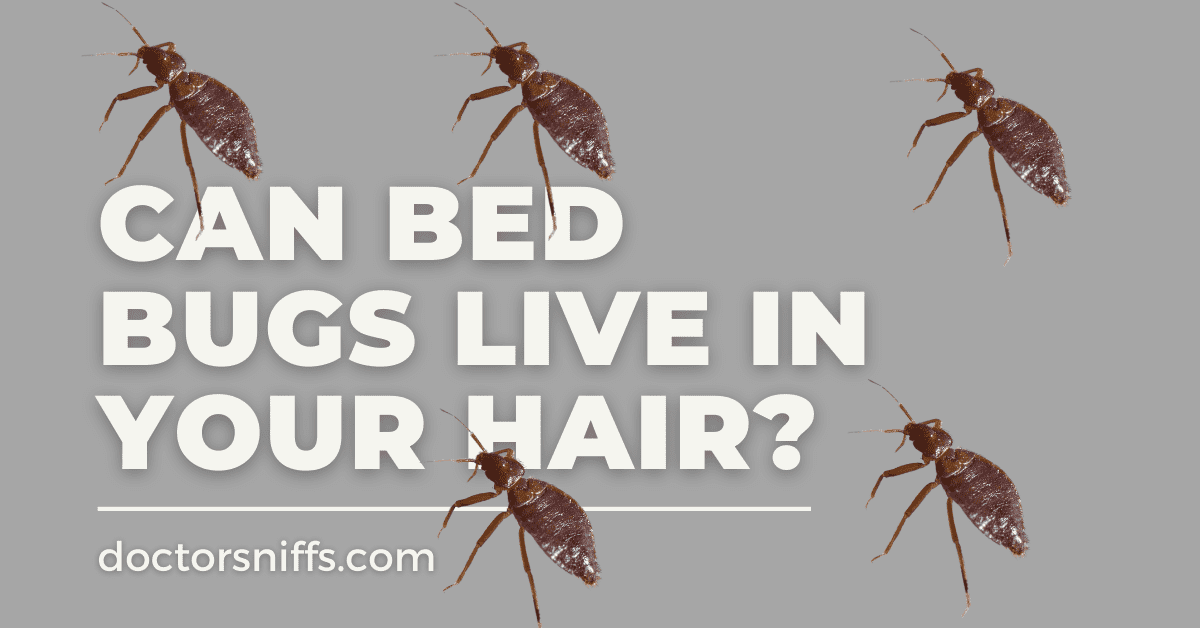
They will likely either get washed away while you bathe or search for a more suitable hiding place. Bedbugs are nesting parasites that spend most of their lives hiding. They like to live in places near where humans or animals sleep so they can feed while their host is resting. Bedbugs have flat, oval-shaped bodies that allow them to easily hide in areas like cracks in your bed frame or the seams of a mattress. Although they’re a nuisance, bedbugs aren’t known to spread diseases to humans. Bites can lead to persistent itchiness that may lead to an infection if you scratch them.

Symptoms of dandruff
The other bugs on this list separate themselves by their disgusting living arrangements. Lice are the least of your worries when it comes to tiny, flesh-eating, blood-sucking, monsters that cavort amongst your forest of hair follicles. In rare cases, if disturbed while hiding, a bed bug might end up on your body, but it will not stay there for long. Given their nature, they would hurriedly attempt to return to their safer hiding areas or potentially get brushed off or crushed unknowingly.
When to contact a doctor
When full grown, the lice will appear as dark sesame seeds. Your first line of defense against head lice is an over-the-counter (OTC) head lice treatment that typically comes in the form of shampoo. The main difference between various products is the active ingredient and which stages of head lice it kills.
So if the first treatment does not work, a person may want to see a doctor for an alternative prescription remedy. Head lice do not spread diseases, but they are highly contagious. Close contact with the head or hair of a person with lice — such as from sharing hairbrushes or giving hugs — can spread the infestation. Dandruff, also known as seborrheic dermatitis, is a skin condition that causes the top layer of skin to shed too quickly. People with dandruff may also notice flakes of skin on their clothes.
Household pets, such as dogs and cats, don't play a role in spreading head lice. A healthcare professional can also help confirm a bedbug diagnosis by examining your bites. Treatment for lice usually involves taking an over-the-counter or prescription medication to kill the lice and their eggs. Fleas are another bug that can travel from household pets to humans.


No comments:
Post a Comment